
New asphalt is only as good as what's under it. A paving job that skips base work or drainage might look fine on day one and start cracking within a couple of Houston summers.
We install new asphalt for commercial properties, private and community roads, equipment yards, churches, schools and residential driveways. Each project is planned around the soil, the drainage and the weight of the traffic the pavement will carry.
What's included
- Site layout, grading and drainage planning
- Removal of old pavement, grass or gravel where needed
- Aggregate base installation and compaction
- Hot-mix asphalt paving
- Rolling and compaction of the asphalt surface
- Clean edges and transitions to curbs, concrete and streets
When new paving makes sense
- You're developing a new lot, building pad, private road or yard.
- Existing gravel or caliche keeps rutting, washing out or kicking up dust.
- Old pavement is broken up across large areas and repairs no longer hold.
- The base has failed and the surface sinks or pumps water under traffic.
How an asphalt paving project runs
Site evaluation
We measure the area, check soil and drainage, and confirm how the pavement will be used.
Grade and base
The subgrade is shaped for drainage, then an aggregate base is placed and compacted.
Pave
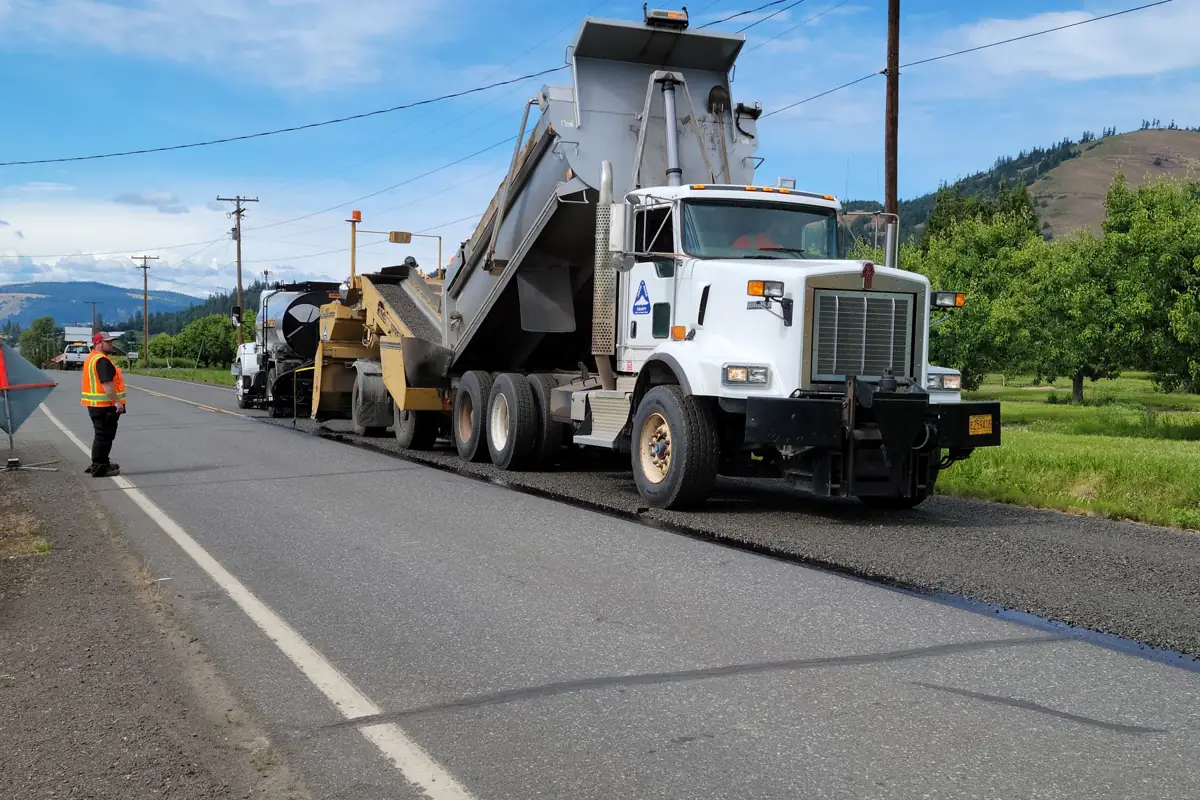
Hot asphalt is placed with a paving machine or by hand in tight areas, at the planned thickness.
Compact
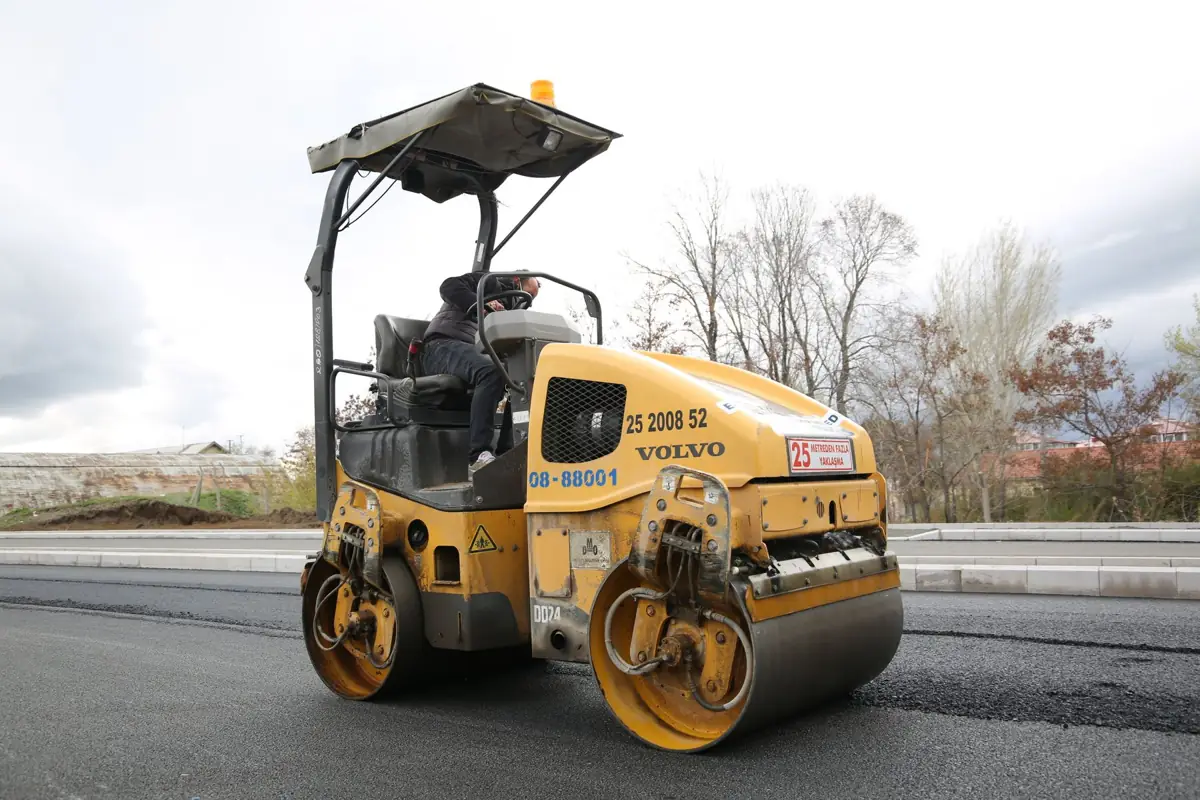
Rollers compact the asphalt while it is hot so it is dense and smooth.
Cure and reopen
The new pavement cools and cures before traffic is allowed back on it.
What affects the price
Every property is different, so we price each job after seeing the site. The main factors are:
- Total square footage
- Removal and disposal of existing pavement
- Base depth and grading needed
- Asphalt thickness for the expected traffic
- Drainage work and access for equipment
Paving on Houston soil
Much of the Houston area sits on expansive clay that swells when wet and shrinks when dry. Paired with frequent heavy rain, that movement is one of the main reasons pavement cracks and settles here.
A well-compacted base and planned drainage are the best defenses. They cost more up front than paving straight onto native soil, and they save a great deal in early repairs.
Asphalt Paving questions
How thick should new asphalt be?
It depends on the traffic. Driveways for cars need less than parking lots with delivery trucks or yards with heavy equipment. We size the asphalt and base for how the pavement will be used.
Can you pave over gravel?
Often, yes. Existing gravel can sometimes be regraded and compacted as part of the base, but it has to be the right material and depth. We check before recommending it.
How long does paving take?
Many driveways and small lots are paved in a day or two after prep. Larger projects with base work take longer and may be done in phases.
Asphalt Paving near you
We provide asphalt paving in Houston and these nearby communities:
- Houston
- Katy
- Sugar Land
- The Woodlands
- Spring
- Cypress
- Pearland
- League City
- Conroe
- Humble
- Missouri City
- Pasadena
- Baytown
- Friendswood
- Tomball
- Richmond